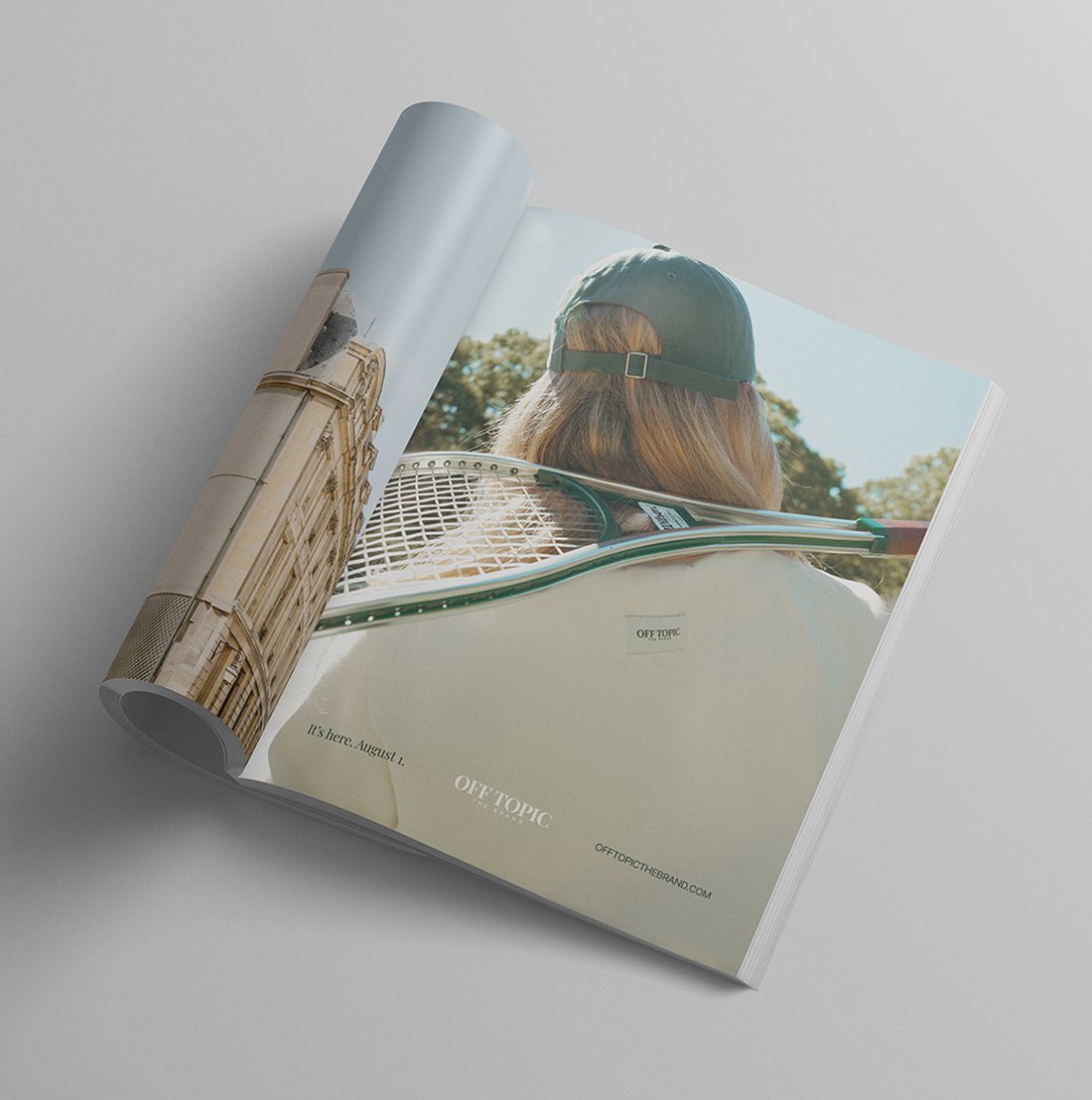
We build the identity, the story a brand moves from, and the visual language it lives in, for premium brands, then carry all of it through every place someone meets it.
The logo, the palette, the typeface, the caption: those are the things a world produces. They are the last decisions to make and the easiest to change. What comes first is the world itself. What the brand believes. Who it is for. The story it moves from. The place it takes in the culture around it.
At the high end, identity is the thing being sold. Nobody needs another set, another handbag, another dinner out. What a person is buying is a version of themselves that the brand makes available, and the product is how they get there. So the work is deciding what that identity is, precisely enough that it can be felt in a second, then activating it through the thing you actually sell.
Story is the part most brands skip, and it is the part that decides everything. A campaign with an arc, with tension in it and a turn and a return, gets watched to the end. A campaign without one gets scrolled. And a brand tied to something larger than itself, a moment, a history, a real point of view, is the one a customer will say they believe in.
Get this right and everything downstream gets easier. The photographer knows what to shoot. Whoever writes the caption knows what the brand is trying to say. The social calendar stops being a weekly guess, because it is running on a foundation somebody decided on purpose. Get it wrong and no amount of posting will cover it.
The brands we work with are usually good at the thing they sell. The product holds up and the people know what they are doing. What is missing is direction. A marketing person here, a photographer there, an agency somewhere else, and nobody deciding what all of it is supposed to add up to. That is where brand perception slips, in the gaps between pieces of work that were each fine on their own.
So the work is deciding what the brand means, then carrying it through every place someone meets it. The site. The feed. The packaging. The email that goes out after they buy. When those agree with each other, people trust a brand before they have spoken to anyone at it.
A brand can look different from one season to the next and still be unmistakable. What holds it together is never a colour or a format. It is the eye behind it, and the standard it refuses to drop.
A brand that reads like a publication people follow, rather than a catalog people scroll past.
One hand holds the direction across the strategy, the words, the images, and the campaign, and keeps holding it over time. That is what makes the pieces agree with each other instead of merely coexisting.
Before anything gets decided we go through what the brand has already tried, what worked, and what everyone around it is doing. Positioning is a decision about a market, not a mood.
The positioning, the guide, and the frameworks are handed over and taught. The brand runs on them whether we stay on, your team takes it in-house, or another studio picks it up next.
Nothing gets made before the brand is clear. A fixed scope and a fixed fee, with a defined start and a defined end. A Foundation engagement runs the first three phases. A launch runs all six. Anything shaped differently gets scoped against what the brand actually needs.
A long recorded call with the founder alone. We pull the positioning out of how they actually talk, not out of a questionnaire.
Strategy, brand story, voice framework, visual language, type and logo system.
The organizing creative device the whole launch moves from. This is the differentiator and it is different for every brand.
Pillars, repeatable formats, platform rules, and the profile architecture.
Films, carousels, ads, and motion, built against the direction rather than invented at the end.
The brand guide, the content database, and the launch calendar, handed over with the training to run them. The guide is what keeps everything consistent once we are gone.
We build the whole identity, not a piece of it. We are the brand architect on every project, with designers, photographers, editors, and stylists working under one direction.
What the brand stands on, who it is for, and the world it lives inside. This is the foundation, and it is the part that makes every decision after it easier.
The words are half the brand. We write the way a brand speaks, then hand over the frameworks so your team keeps speaking that way after we are gone.
How the brand looks and moves, held to one standard across the shoot, the grid, the site, and the campaign. We direct it and our team executes it.
They buy it because forty of them agreed with each other. Most of the work is invisible, and most of it is where a brand either becomes convincing or stays flat.
Every engagement is scoped to what the brand actually needs. If the shape below is close but not right, we build the package around the work instead of the other way around.
Branding and marketing get treated as opposites. One asks for restraint, the other asks for volume, and most brands end up picking a side. The careful ones stay beautiful and unseen. The loud ones get the numbers and lose the thing that made them worth buying in the first place.
They are not opposites. Reach is a production problem and a platform problem, and both have answers. Formats that carry a brand instead of flattening it. Films sequenced to build rather than repeat. Creators and placements chosen for the room they put the brand in, not the follower count attached to them.
Production has changed underneath all of this. A campaign that needed a full crew and a five-figure budget a few years ago can be built with far less now, and brands that were priced out of good imagery are not priced out any more. We produce with AI where it earns its place, in stills and in motion, and we are direct about where it does not belong. The direction still comes first. The tools only widened who can afford to look the part.
We have spent years inside these platforms and we know what actually travels. So the volume arrives without arguing with the world we just built. That is the gap we exist to close.

I have been building brands online for most of my career, which taught me early that the post is never the point. What decides whether any of it works is the brand sitting underneath it.
So The Social Studio does both halves, the identity and everything that carries it. We shape the brand already knowing how it has to hold up in a campaign, on a website, and in a caption at nine on a Tuesday.
In practice that means building worlds. The identity gets decided first, and then the voice, the images and the campaign all carry the same one. That is how luxury has always sold. Someone sees the brand and recognises a version of themselves in it, and buying becomes the way they step into it. The work is activating that in the buyer, and brand perception moves because every surface is doing it at once.
We are a boutique studio, which is a decision rather than a stage we are passing through. Designers, photographers, editors, and stylists work under one direction, on a selected number of brands at a time. One hand shaping every piece so the brand reads as one considered idea. That is the reason clients come to us for the whole thing rather than a piece of it.
These platforms are shaped by culture, and culture moves faster than any playbook. What worked four years ago is a liability now. I have been inside this for close to five years, watching formats arrive and die, and staying current turns out to be a discipline rather than a talent. It is also the difference between a brand that reads as of the moment and one that reads as trying.
The brands we work best with care about the thing they make and have a team that communicates. Getting the perception to match the quality of the actual work takes both of us.
The studio is based in New York and works with brands here and beyond it.
Mikki Mohadeb
Founder & Creative Director
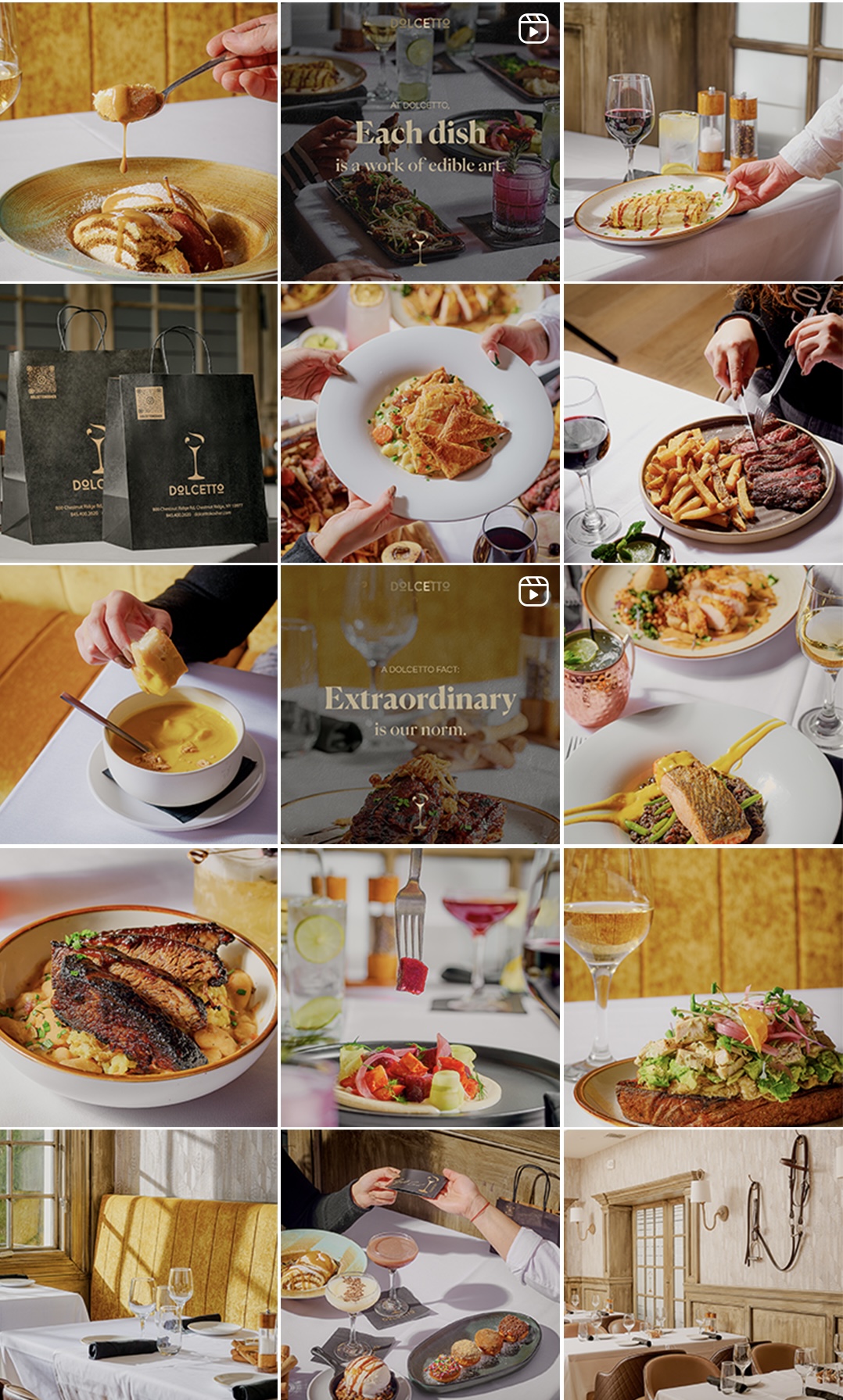
Two years of brand voice, art direction, and directed photography, held to the same standard on every piece that went out.
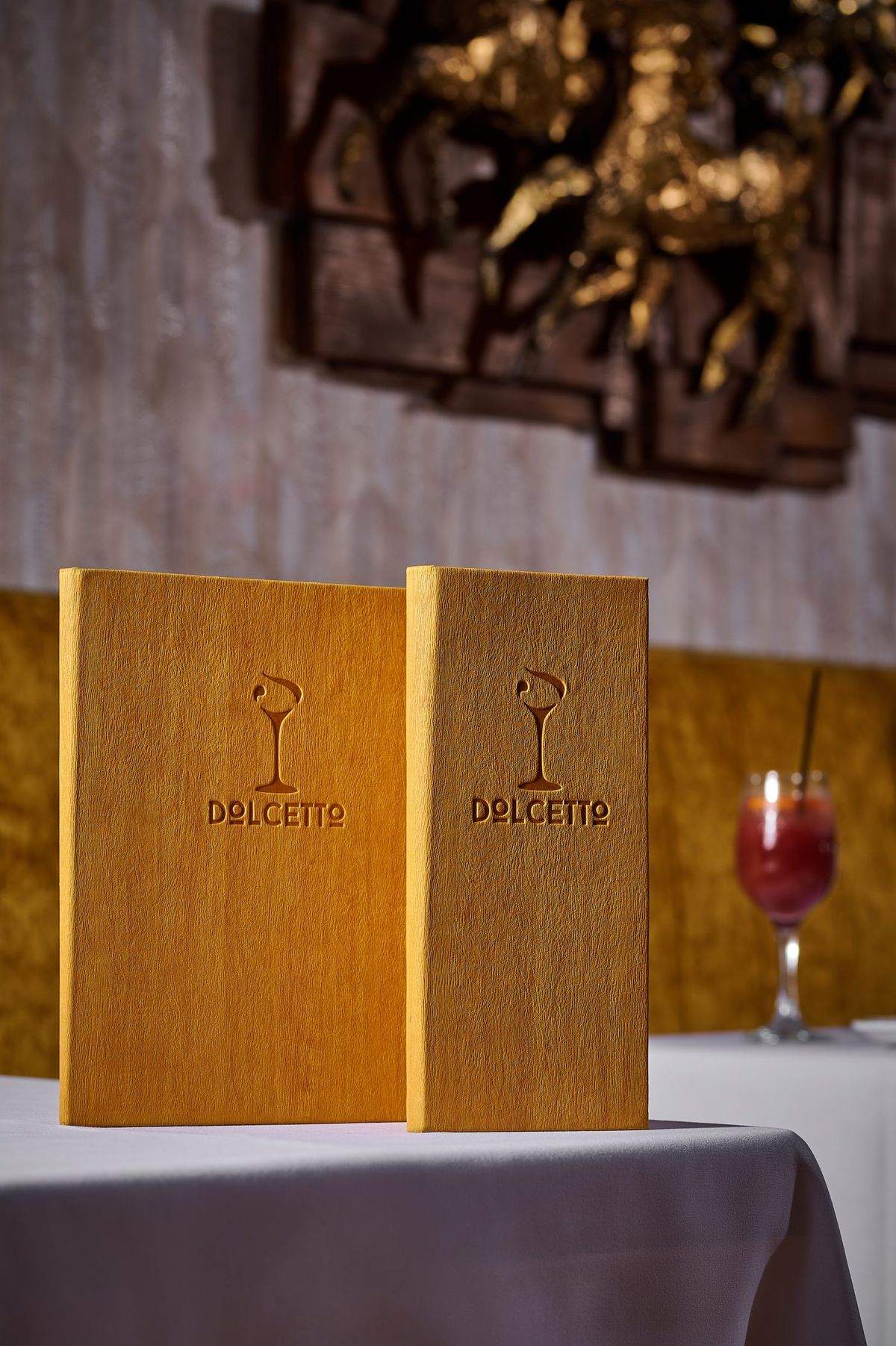
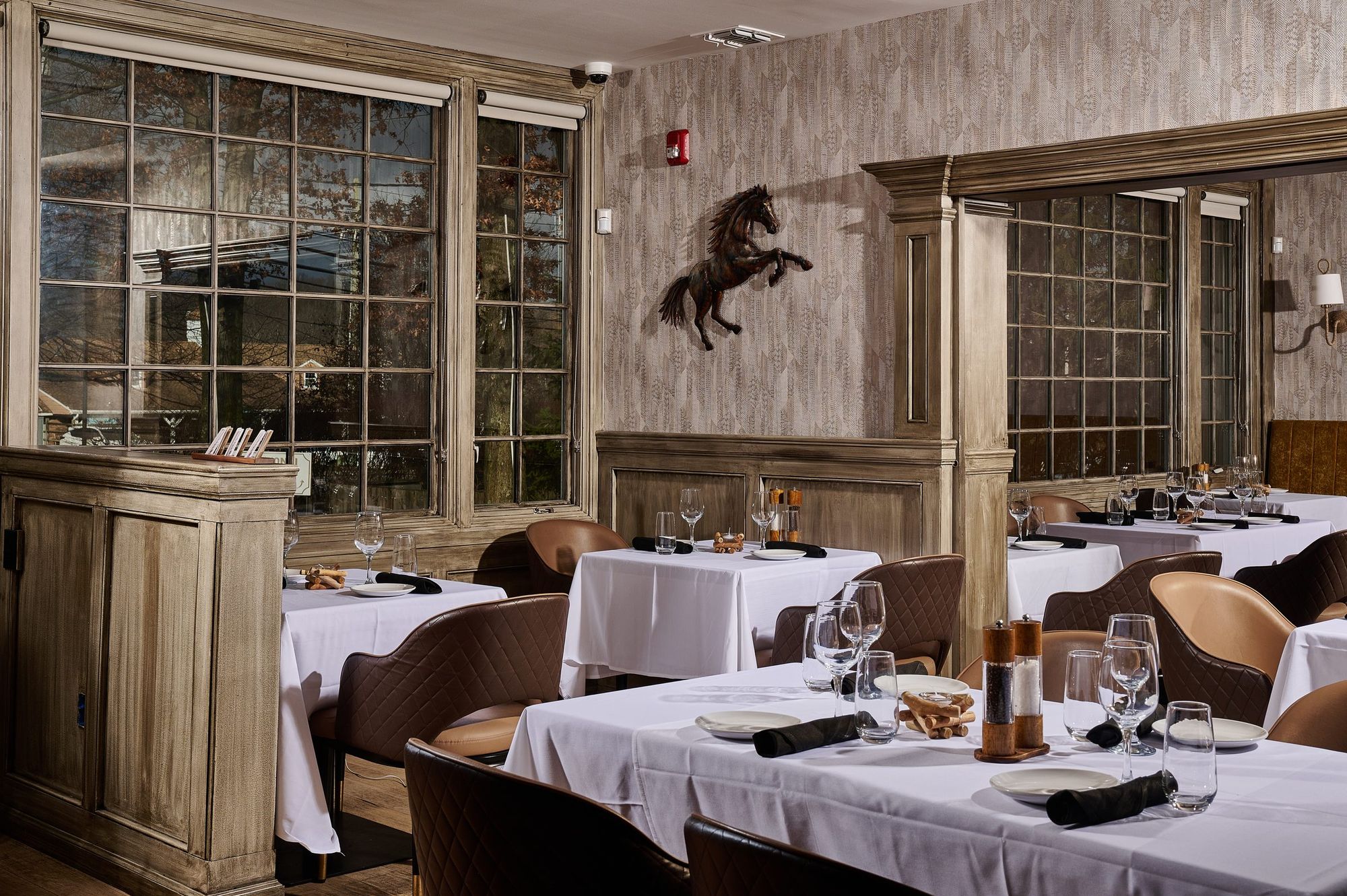
Dolcetto
Chestnut Ridge, NY
Twenty years of leading a category, then a market full of louder new names. The product still won. The marketing no longer did.
Shevy New York
Luxury Retail
What hasn't caught up is how the brand is perceived. There is a gap between the quality of what you do and the impression someone forms in the four seconds they spend on your site.
That gap closes when one point of view runs through all of it. We build for hospitality, fashion, and beauty, because those are the categories where the world around the product is most of what people are buying.
The brands that get the most from this already care about how a thing looks and how it feels. They understand that a brand has layers, that marketing and branding are the same conversation rather than two departments, and that being known for something particular is worth more than being seen by everyone. They want a studio that knows the brand from the inside and stays with it, whether you are launching from scratch or moving into a new chapter.
Email is the fastest way to reach us. Tell us what you're building and we'll set up a call from there.
thesocialstudiony@gmail.com